Why Does Homemade Ice Cream Freeze Rock Hard?
Homemade ice cream often freezes rock hard because it has little air, sugar, or fat to keep it soft, or because it has been stored very cold. Let it soften briefly in the refrigerator before scooping, and adjust the recipe if the texture stays firm.
On this page (7 sections)
- Why is my homemade ice cream hard after freezing?
- How can I soften ice cream that's already hard?
- How should I store homemade ice cream?
- Can the ice cream maker cause a hard result?
- Do extra pints help with hard CREAMi ice cream?
- Should I change the recipe or the freezer routine?
- What should I do if my homemade ice cream is still too hard?
Homemade ice cream often freezes rock hard because it has little sugar, fat, or incorporated air to keep it soft, or because it is stored very cold. Let it soften briefly in the refrigerator before scooping, then adjust the recipe if the next batch is still too firm.
Commercial ice cream often contains ingredients and processing choices that help it stay scoopable. Homemade recipes vary, so a hard batch can be a recipe issue, a storage issue, or both.
Why is my homemade ice cream hard after freezing?
Homemade ice cream can freeze hard when a high share of its water turns into ice crystals. Sugar lowers the freezing point, fat adds richness, and churning incorporates air, so recipes with less of these may set firmer.
A very cold freezer also makes ice cream harder to scoop. The recipe may be fine, but the dessert can still need a short rest before serving.
Hardness is different from iciness. Hard ice cream can have a smooth texture but resist the scoop, while icy ice cream has noticeable crystals or a coarse feel.
If crystals are the main problem, see why homemade ice cream gets icy.
Does the recipe have enough sugar and fat?
Sugar and fat both affect how frozen a dessert feels. A low-sugar or low-fat recipe may freeze more firmly than a richer recipe, especially if it also contains a lot of water from milk, fruit, or other ingredients.
Don't reduce sugar or swap ingredients without checking how the recipe accounts for it. Sugar is not only for sweetness; changing it can change the frozen texture.
Does churning add enough air?
Churning helps incorporate air while the base freezes. A dense result may feel harder than a lighter one, and the machine, recipe, and batch size all affect how much air gets worked in.
Follow the recipe's cues and your machine's instructions. For timing guidance, read how long to churn ice cream in a machine.
How can I soften ice cream that's already hard?
Move the container to the refrigerator briefly before scooping. Check it every few minutes so the edges soften without letting the whole batch melt.
A shallow container can soften more evenly than a deep, tightly packed tub. Keep the lid on while it rests, then return the container to the freezer promptly after serving.
Avoid repeatedly letting the whole batch thaw and refreeze. That cycle can encourage larger ice crystals and a rougher texture.
How should I store homemade ice cream?
Store homemade ice cream in a clean, airtight, freezer-safe container with as little empty space above the dessert as practical. Pressing a piece of freezer-safe wrap against the surface can help limit air exposure if the recipe and container allow it.
Put the container toward the back of the freezer, where temperature tends to stay more stable than near the door. A door shelf sees more temperature changes as the freezer opens.
For a pint machine, freeze the base in the proper container for the full time required by its instructions. The Ninja CREAMi process calls for freezing a prepared pint for 24 hours before processing.
This model has 7 programs, including Ice Cream, Gelato, Sorbet, and Lite Ice Cream. It works with NC299 and NC300 series pint accessories, so check your machine's series before choosing extra containers.
Can the ice cream maker cause a hard result?
The machine can affect texture, but it can't make every recipe scoopable after storage. A freezer-bowl machine needs its bowl fully frozen before churning, while a pint processor freezes the base first and processes it later.
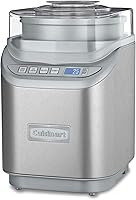
If you're using a freezer-bowl machine, follow the maker's freezing and churning directions. The Cuisinart ICE-30BCP1 makes up to 2 quarts per batch and uses a freezer bowl that needs about 24 hours to freeze completely.
The Cuisinart's bowl should be fully frozen before you start. Its maker describes the churned result as soft, with additional freezer time for firmer scoops.
If you're comparing machine styles, types of ice cream makers explains how freezer-bowl and self-freezing machines differ. Either way, the recipe and how you store the finished batch still matter.
Should I churn it longer?
Not necessarily. Churning past the recipe's cue won't reliably prevent a hard result after storage, and too much churning can affect the finished texture.
Use the recipe's signs of doneness and the machine's directions. Transfer the ice cream once it reaches the intended consistency, then freeze it in a covered container if you want firmer scoops.
Do extra pints help with hard CREAMi ice cream?
Extra pints help if you want to prepare and freeze another base while one pint is ready to process. They don't change the recipe or soften a finished pint by themselves.
These pints fit NC299 and NC300 series CREAMi machines only. Confirm your machine's series before buying; they don't fit the NC100, NC200, NC500, or NC700 series.
For a CREAMi pint that is hard after its first processing, use the machine's instructions for the Re-spin function. The standard CREAMi model includes that option for a softer texture.
Should I change the recipe or the freezer routine?
Start with the simplest cause: give the ice cream a short refrigerator rest before serving. If it remains unusually hard, check whether the recipe was designed for freezing and whether you changed its sugar, fat, or liquid amounts.
Also check the freezer setting and where the container sits. A consistently cold freezer protects frozen food, but it can make homemade ice cream difficult to scoop straight from storage.
If the base freezes with crystals or a coarse texture, work on the recipe and cooling process instead of only softening it at serving time. The guide to how long homemade ice cream takes to freeze covers the time needed for a batch to firm up.
What should I do if my homemade ice cream is still too hard?
If you ask, “why is my homemade ice cream hard,” use this decision rule: soften the current batch in the refrigerator, then review the recipe and storage routine for the next one. More sugar or fat may help a recipe designed to be scoopable, but follow a tested recipe rather than guessing at amounts.
Choose the CREAMi if you want to freeze a pint base and process it when you're ready to serve. Choose the Cuisinart if you want to churn up to 2 quarts at a time, then freeze the batch for firmer scoops.
For a hard pint made in a CREAMi, follow its processing directions and consider Re-spin. For a hard freezer-bowl batch, check that the bowl was fully frozen before churning and let the stored ice cream soften briefly before scooping.
Frequently asked questions
Why is my homemade ice cream hard after freezing?
Homemade ice cream can freeze hard when its recipe has little sugar or fat, when it contains less air, or when it sits in a very cold freezer. Store it in an airtight container and let it soften in the refrigerator briefly before scooping.
If it stays hard, review the recipe balance and churning.
How do I make homemade ice cream softer?
Use a reliable recipe with enough sugar and fat, chill the base before churning, and stop when the ice cream reaches the texture the recipe describes. Transfer it to a shallow airtight container for storage.
If it freezes firm, soften it in the refrigerator before serving rather than adding liquid after freezing.
Can I fix ice cream that is already rock hard?
Yes, let the container sit in the refrigerator until the edges soften enough to scoop. Avoid leaving it on the counter for a long time, where the outside can melt while the center stays frozen.
For a pint processed in a CREAMi, follow the machine's instructions for processing and re-spinning.
Does churning time make homemade ice cream hard?
Churning affects texture, but hardness after storage also depends on the recipe, the amount of air incorporated, and freezer temperature. Follow the recipe and machine instructions rather than relying on a fixed time.
Our guide to how long to churn ice cream in a machine explains what to watch for.