How Long Does Homemade Ice Cream Take to Freeze?
Homemade ice cream usually needs about 2 hours in the freezer after churning for firmer scoops. The exact time depends on the recipe, container, and how firm you want it.
On this page (7 sections)
- How long to freeze homemade ice cream after churning?
- Does the ice cream maker change the freezing time?
- What affects how quickly homemade ice cream firms up?
- How can you tell when homemade ice cream is ready?
- Why is homemade ice cream icy after freezing?
- How long should you churn before freezing the batch?
- How long to freeze homemade ice cream for the texture you want?
Homemade ice cream usually needs about 2 hours in the freezer after churning for firmer scoops. You can serve it sooner if you prefer a soft-serve texture, but the time to set varies with the recipe, container, and freezer.
Churning and freezing are separate stages. The machine turns the mixture into a soft dessert; a stay in the freezer helps it become firm enough to scoop.
How long to freeze homemade ice cream after churning?
Allow about 2 hours after churning for firmer scoops. Treat that as a starting point, since a large batch or deep container can take longer to firm in the center.
If the texture is already right for you, serve it straight from the machine. For a firmer result, transfer it to a clean, airtight freezer-safe container and keep it level while it sets.
A shallow container can help the dessert firm more evenly than a deep one. Pressing a piece of freezer-safe wrap against the surface before closing the lid can reduce air exposure.
Does the ice cream maker change the freezing time?
The maker affects the churning stage; the recipe and freezer affect how long the dessert takes to firm afterward. Some machines need a freezer-frozen bowl, while a compressor model freezes the mixture as it churns.
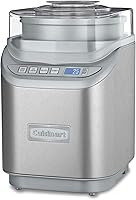
A freezer-bowl machine needs its bowl frozen ahead of time. For example, Cuisinart says to allow about 24 hours for the ICE-30BCP1 bowl to freeze completely, and its product information gives a churn time of about 25–35 minutes.
A compressor maker such as the Whynter ICM-201SB doesn't require a pre-frozen bowl. It freezes the mixture as it churns, which removes the bowl-preparation wait but doesn't remove the optional freezer time after churning.
A Ninja CREAMi works differently: you freeze the prepared base before processing it. Its 3-step process is prepare, freeze, and process, so plan ahead for that initial freeze.
For a closer look at how these designs differ, see types of ice cream makers. If you're still deciding on a machine, compare ice cream makers for home use.
What affects how quickly homemade ice cream firms up?
Batch size, container shape, recipe, and freezer conditions all affect the wait. A small, shallow batch may firm sooner than a deep container holding a large amount.
Leave enough space in the freezer for air to circulate around the container. Avoid placing warm food beside it, and don't keep opening the freezer to check the texture.
Recipes also differ in how firmly they freeze. Sugar and alcohol can make a mixture softer, while a leaner recipe may turn very firm.
Follow the recipe's guidance and check the center rather than relying only on the surface.
How can you tell when homemade ice cream is ready?
Check whether the center is firm enough for the way you want to serve it. If a scoop still slumps more than you like, cover the container and give it additional time.
Use a clean scoop and return the container to the freezer promptly. Avoid leaving it out while you prepare other parts of a meal, since repeated warming and refreezing can hurt texture.
If the dessert freezes too hard to scoop, let it stand briefly in the refrigerator or at room temperature, then check it again. See why homemade ice cream freezes rock hard for common reasons and ways to adjust your next batch.
Why is homemade ice cream icy after freezing?
Ice crystals can grow when the mixture freezes slowly or warms and refreezes. A well-chilled mixture, a cold freezer, and an airtight container can help limit texture changes.
Use the machine according to its instructions and transfer the finished dessert promptly. Keep the container closed between servings, and avoid storing it near the freezer door where temperatures can shift more often.
If the texture remains grainy, review the recipe and mixing steps as well as the freezer time. Our guide to why homemade ice cream turns icy explains what to check.
How long should you churn before freezing the batch?
Churn only until the mixture reaches the texture your machine and recipe call for. The freezer time afterward is a separate step for anyone who wants a firmer result.
A freezer-bowl machine may take around 25–35 minutes, depending on the recipe and batch size. Churn time differs by machine, so use the recipe and maker instructions as your guide.
For more detail on that first stage, read how long to churn ice cream in a machine. Then transfer the batch to a freezer-safe container if you want it firmer than soft serve.
How long to freeze homemade ice cream for the texture you want?
For soft-serve texture, serve the batch after churning if it looks and feels right to you. For firmer scoops, start with about 2 hours in a covered container, then check the center and allow more time if needed.
Choose a freezer-bowl maker if you can plan ahead to freeze its bowl. Choose a compressor maker if you want the machine to freeze while it churns, or a pint-based processor if freezing prepared bases fits your routine.
The key question is how long to freeze homemade ice cream for your preferred scoop: begin with 2 hours, then adjust for the recipe and container. If you haven't picked a machine yet, compare the types of ice cream makers before choosing.
Frequently asked questions
How long does homemade ice cream take to freeze after churning?
Plan on about 2 hours in the freezer after churning for firmer scoops. The batch may be soft enough to serve straight from the machine, but a shallow, airtight container helps it firm more evenly.
Check the center before serving, since recipes and freezers vary.
Can you eat homemade ice cream right after churning?
Yes, if you like a soft-serve texture, you can serve it after churning. For firmer scoops, transfer it to a covered freezer-safe container and give it more time to set.
A freezer-bowl machine may have a different churn time from a compressor maker.
Why is homemade ice cream still soft after freezing?
It may need more time, especially if the container is deep or the freezer is full. Keep the lid closed and check again later.
If it remains soft, review your freezer temperature and recipe; sugar, alcohol, and other ingredients can affect how firmly a mixture freezes.
How should you store homemade ice cream in the freezer?
Use a clean, airtight, freezer-safe container and cover the surface to limit air exposure. A shallow container can help the batch firm more evenly than a deep one.
Keep it level, close the lid promptly, and avoid repeated thawing and refreezing.