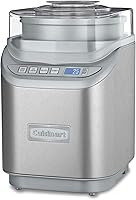
How Long to Freeze a Cuisinart Ice Cream Bowl
Freeze a Cuisinart ice cream bowl for 16 to 24 hours, and about 24 hours for the 2-quart bowl. The bowl is ready when the coolant between the walls is solid and the inside feels hard and frosty.
On this page (9 sections)
- How long to freeze a Cuisinart ice cream bowl before churning?
- Why does the Cuisinart bowl need a full day?
- How can you tell the bowl is frozen solid?
- Where in the freezer should the bowl go?
- Can you freeze the bowl for too long?
- What happens if you churn with a warm bowl?
- Does the recipe change how long the bowl needs?
- How do you wash and store the bowl between batches?
- The short version on freezing your Cuisinart bowl
Freeze a Cuisinart ice cream bowl for 16 to 24 hours, and about 24 hours for the 2-quart bowl. The bowl is ready when the coolant between its walls is solid and the inside feels hard and frosted.
That wait is the whole game with a freezer-bowl machine. Get the bowl fully cold and the churn takes minutes.
Skip the wait and you get cold soup.
How long to freeze a Cuisinart ice cream bowl before churning?
Plan on 16 to 24 hours, with the longer end of that range the safer choice. Cuisinart's 1.5-quart ICE-21P1 needs 16 to 24 hours, and the 2-quart ICE-30BCP1 wants about 24 hours to freeze completely.
The double-insulated bowl holds a layer of coolant sealed between its inner and outer walls. That coolant has to turn solid, not just cold, or it can't pull heat out of your mixture while the paddle turns.
Think of it as a block of ice you are building in advance. A half-frozen block still works, but slowly, and the ice cream comes out loose.
A bowl left in for 3 hours is cold to the touch and completely useless. Touch is a poor test, so shake it instead (more on that below).
Why does the Cuisinart bowl need a full day?
The coolant between the walls freezes like a thick ice pack. A domestic freezer sits around 0°F, and a large, sealed volume of coolant takes hours to chill all the way through.
The bowl also warms up fast once it leaves the freezer. Every minute it sits on the counter, the outer wall pulls room heat in and the coolant starts softening.
Faster freezing of the coolant gives you a colder, harder bowl at churn time. That is why the back corner of a packed freezer, where air barely moves, is a poor home for it.
If you want the full picture of chilling a base before and after churning, see how long to freeze homemade ice cream once the bowl is ready.
How can you tell the bowl is frozen solid?
Shake the bowl and listen. A fully frozen bowl is silent.
A bowl with soft coolant sloshes faintly, even if the outside feels icy.
Then check the inside. Run a finger along the inner wall: it should feel hard, bone cold, and often lightly frosted.
Set the bowl on the counter for a moment to dry the outside before churning, and work quickly. Don't rinse it with warm water to loosen anything, which undoes an hour of freezing in seconds.
If the bowl has been in a freezer with a faulty door seal or an icing problem, it may never reach a solid state. Check the freezer before blaming the bowl.
Where in the freezer should the bowl go?
Flat on a shelf with room around it, away from the back wall and clear of heavy frozen food. Air needs to move across the bowl's surface, so a bowl wedged in by bags of peas freezes more slowly.
The 2-quart bowl measures about 7.74 in wide by 6.4 in high, so measure shelf clearance before you commit. Many owners keep the bowl in the freezer permanently so it is always ready.
If freezer space is tight, a dedicated spot for the bowl often means moving a pizza box. That trade is worth it: a ready bowl turns dessert into a 25-minute job.
Can you freeze the bowl for too long?
No, the bowl can stay in the freezer indefinitely. Cuisinart's bowls are made to live in the freezer between batches, and there is no downside to a longer stay.
A bowl that has been frozen for a week performs exactly like one frozen for a day. The only cost is the shelf space it takes up.
The bowl itself is hand wash only, so wash it, dry it fully, and put it straight back in the freezer. Water left in the bowl freezes into a film that can thin your base.
Keep the bowl out of the door shelf, where temperature swings as the door opens and closes.
What happens if you churn with a warm bowl?
You get soft, soupy ice cream that never firms up in the machine. The motor turns, the paddle scrapes, and after 30 minutes the dessert still looks like a milkshake.
The bowl's job is to remove heat from the mixture fast. A warm bowl has already used its cold on the air in your kitchen and has little left for the cream.
Chilling your base before it goes in is the other half of the fix. A mixture straight from the stove fights the bowl's cold and slows the whole churn.
Timing matters too. Knowing how long to churn ice cream in a machine tells you whether a soft result is a bowl problem or simply an under-churned batch.
A second bowl solves the wait
A second freezer bowl means you can churn two batches back to back without a day between them. The ICE-30RFB is the 2-quart replacement bowl for the ICE-30BC machine.
It holds up to 2 quarts and is made to work as a replacement or a second bowl. For households that churn often, that turns a once-a-day machine into a twice-a-day one.
The 2-quart machine that takes about 24 hours
The ICE-30BCP1 is the family-batch freezer-bowl maker, and Cuisinart says to allow about 24 hours for its bowl to freeze completely. It churns up to 2 quarts at a time.
The ingredient spout lets you drop chocolate chips or chopped fruit in during the last five minutes. Churning takes about 25 to 35 minutes from a pre-frozen bowl.
That extra half quart over a 1.5-quart model matters on dessert nights, and it is the reason the freeze time runs at the long end.
The beginner bowl with a 16-hour floor
The ICE-21P1 is the one-switch starter machine, and its bowl typically needs 16 to 24 hours in the freezer. It makes 1.5 quarts per batch.
A pre-frozen bowl churns a batch in as little as 20 minutes. That short window makes the overnight freeze the only real planning step.
If you are still weighing machines, our guide to how long a Cuisinart ice cream maker takes breaks down the full timeline from freezer to bowl.
Does the recipe change how long the bowl needs?
Not for the bowl itself, but it changes how cold everything else should be. A rich custard base needs more chilling than a simple cream and sugar mix, and a warm base drains the bowl fast.
Fruit purees and yogurt bases carry more water, which freezes harder. Sorbet is the extreme case: a water-heavy mix leans on the bowl's stored cold more than any dairy recipe.
If sorbet is on the menu, read how to make sorbet in an ice cream maker so the bowl and the base are both working in your favor.
Chill the base in the fridge for several hours first. Pour it in cold, and the bowl spends its cold on freezing rather than on cooling.
How do you wash and store the bowl between batches?
Hand wash with warm soapy water, dry fully, and refreeze. Never put a freezer bowl in the dishwasher, and never fill it with hot water to soak.
Let the bowl stand until it reaches room temperature before washing, or the sudden heat can stress the liner. Rinse, wipe, and dry the inside completely.
Once dry, put the bowl back in the freezer. A bowl that lives there is always ready, and the freezer does the waiting for you.
Store the bowl upright and empty, with the lid off, so it doesn't trap moisture or odors.
The short version on freezing your Cuisinart bowl
The answer to how long to freeze a Cuisinart ice cream bowl is a day: 16 to 24 hours, about 24 for the 2-quart bowl. Shake it, check for a solid coolant layer, and it is ready.
Pick the 2-quart ICE-30BCP1 if you feed a family and want one big batch from a bowl that has had its full day. Pick the 1.5-quart ICE-21P1 if you want a smaller machine with a shorter minimum freeze.
Add the ICE-30RFB second bowl if you churn often and hate waiting. With a spare in the freezer, bowl one churns while bowl two gets ready for the next round.
Frequently asked questions
How long should a Cuisinart freezer bowl stay in the freezer?
Plan on 16 to 24 hours for the 1.5-quart bowl, and about 24 hours for the 2-quart bowl. A bowl that spent only a few hours in the freezer still holds soft coolant and will churn thin ice cream.
How do I know the Cuisinart bowl is frozen enough?
Shake it. A fully frozen bowl makes no sloshing sound because the coolant between the walls is solid.
The inside should feel hard and look lightly frosted, and the bowl should be cold right through.
Can I freeze the Cuisinart bowl for longer than a day?
Yes, the bowl can stay in the freezer until you need it. Cuisinart says the bowl can be stored in the freezer, so keeping it there between batches means it is always ready when a craving hits.
Why did my ice cream stay soft after churning?
Most soft batches come from a bowl that was not frozen solid or a mixture that went in warm. Let the bowl sit a full 24 hours and chill the base in the fridge before pouring it into the machine.