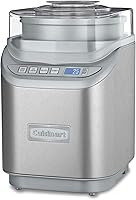
How Does an Ice Cream Machine Work?
An ice cream machine works by freezing your mix while a paddle stirs it. The cold comes from a pre-frozen bowl, a built-in compressor or a salt-and-ice bath, and the churning folds in air so the dessert stays smooth instead of turning into a solid block.
On this page (8 sections)
- What is the basic idea behind how an ice cream machine works?
- How does a freezer-bowl ice cream machine work?
- How does a compressor ice cream machine work?
- How does a salt-and-ice machine work?
- Why does churning matter so much?
- What makes homemade ice cream icy instead of smooth?
- How do you get the best result from any machine?
- What should you remember about how an ice cream machine works?
An ice cream machine works by freezing your mix while a paddle stirs it. The cold comes from a pre-frozen bowl, a built-in compressor or a salt-and-ice bath, and the churning folds in air so the dessert stays smooth instead of turning into a solid block.
All three styles share the same job: remove heat fast and keep the mixture moving. The method changes how much preparation you do and how many rounds you can make in one sitting.
Here is how each type does it.
What is the basic idea behind how an ice cream machine works?
It freezes and stirs at the same time, which is what turns a liquid base into ice cream. A freezer alone would turn the mix into a solid block of ice.
The machine's paddle scrapes the cold wall and keeps the mixture moving as it stiffens.
That motion does two things. It breaks up ice crystals as they form so they stay tiny and the texture feels creamy.
It also beats air into the mix, and that trapped air is a big part of the light, scoopable feel.
The cold source sits against the outside of the bowl or canister. Heat moves from the warmer mix through the wall into the cold material, and the paddle stirs so every part touches that cold surface.
Once the batch thickens to a soft-serve texture, the churning stops and the dessert goes into the freezer to firm up.
How does a freezer-bowl ice cream machine work?
A freezer-bowl machine uses a double-walled bowl filled with a gel that you freeze solid before you start. The bowl spends about 24 hours in your freezer, and then the stored cold does the work.
You pour in chilled mix, fit the paddle and lid, and turn it on.
The motor spins the paddle against the bowl's inner wall while the gel releases its cold. Mix touching the wall freezes first, and the paddle scrapes it off and folds it back in.
After 25 to 35 minutes you have soft ice cream, and you can drop chips or chopped mix-ins through the spout in the last five minutes.
This is the simplest style to run. There's no compressor and no ice to buy, so cleanup is just the bowl, lid and paddle.
The trade-off is the wait before each batch and the fact that the bowl loses its cold after one or two rounds. If you want to know how a machine like this compares to others, our guide to the best ice cream maker for home use covers the field.
Which freezer-bowl machine should you start with?
The Cuisinart ICE-30BCP1 suits families who want a big batch from one frozen bowl. Its 2-quart double-insulated bowl makes enough for everyone to scoop, and the heavy-duty motor handles frozen yogurt, sorbet and frozen drinks as well as ice cream.
You pre-freeze the bowl for about 24 hours, so plan freezer space ahead of time. The large ingredient spout lets you add mix-ins during the final five minutes, and the bowl, lid and paddle rinse clean by hand.
It's a good fit if you make dessert once or twice a week and want the least complicated machine.
How does a compressor ice cream machine work?
A compressor machine makes its own cold, so the bowl never needs pre-freezing. It works like a small fridge: a compressor and refrigerant pull heat out of the bowl, and you can churn batch after batch without waiting.
You pour in the mix and set the timer. A 60-minute countdown runs the paddle while the compressor cools the bowl from the outside.
Because the cold is continuous, the machine can also hold the finished dessert cool for a short while after the cycle ends.
The upside is speed of turnaround. You can make a second batch right after the first, which suits households that host often.
The trade-off is size and weight. A compressor unit is heavier and takes up counter space, and it costs more than a freezer-bowl model.
You also can't move it around as easily.
Who should choose a compressor machine?
The Cuisinart ICE-100 suits anyone who makes ice cream often and doesn't want to plan a day ahead. Its 1.5-quart capacity and commercial-quality compressor mean it's always ready to go, batch after batch.
It includes two churning paddles, one for ice cream and one for gelato, plus a 10-minute Keep Cool feature that holds the dessert after the timer goes off. Pick this if counter space and budget allow it and you want the convenience of not waiting on a freezer bowl.
How does a salt-and-ice machine work?
A salt-and-ice machine freezes its canister in a bath of ice and rock salt. This is the old-fashioned bucket style.
You fill the outer bucket with layers of ice and coarse salt, set the canister of mix inside, and a motor turns the paddle.
Salt is the key. Plain ice melts at 32°F (0°C), but salt lowers the melting point, so the bath gets colder than freezing.
That colder bath pulls heat out of the mix through the canister wall much faster than ice alone would. The melted water drains or gets stirred around so fresh ice keeps touching the canister.
This style often comes as an electric bucket machine or a hand-crank model. It handles large batches and gives you the coldest, firmest result of the three, but you have to buy ice and salt and drain the bucket afterward.
If you want to understand the self-freezing cousins of this design, our explainer on how do soft serve ice cream machines work walks through the freezing cylinder.
What salt do you need for an ice cream bucket?
Morton Ice Cream Salt is coarse rock salt made for exactly this job. You sprinkle it over the ice in the bucket, and the salty bath gets cold enough to freeze the canister quickly.
It's sold in a bulk 4-pound box, so it covers several batches.
Keep it strictly for the bucket. The salt is not meant to be eaten and should never touch the mix or the inside of the canister.
After the batch, rinse the bucket and wipe the canister so salt doesn't sit against the metal.
Why does churning matter so much?
Churning is what separates ice cream from a frozen block of milk. Without the paddle, water in the mix freezes into large crystals and the result turns hard and icy.
The stirring breaks those crystals as they form and keeps them small.
The paddle also whips in air. A well-churned batch gains volume as it freezes, and that air is part of why a scoop feels soft and light.
Churn too little and the mix sets dense and cold; churn too long after it has set and the paddle just drags.
Every machine has a sweet spot where the mix reaches a soft-serve texture. Pull it too early and it's still soupy; leave it too long and the motor strains.
Our guide to how long to churn ice cream in a machine covers the timing for each style.
What makes homemade ice cream icy instead of smooth?
Large ice crystals are the usual cause, and they come from slow freezing or warm mix. When the base freezes slowly, water has time to gather into big crystals.
When the base goes in warm, the cold source has to work harder and the mix sits at a borderline temperature longer.
A few habits fix this. Chill the mix in the fridge before churning, and pre-freeze the bowl until it's solid.
Don't overfill the bowl, because a crowded batch freezes unevenly. Move the finished dessert to an airtight container and freeze it fast for firmer scoops.
If your batches keep coming out grainy, our post on why is my ice cream icy covers the fixes in more detail.
How do you get the best result from any machine?
Start cold and stop at the right texture. The single biggest factor is the temperature of your mix when it goes in.
Chill it in the fridge for several hours or overnight, and keep the bowl or canister as cold as the method allows.
For a freezer-bowl machine, give the bowl the full 24 hours in the freezer. For a compressor machine, just pour in cold mix and let the timer run.
For a salt-and-ice bucket, pack the ice and salt in layers and keep the drain clear.
Then stop when the paddle slows and the mix holds a soft peak. That's soft-serve texture.
Transfer it to a container and freeze for about two hours for scoopable ice cream. Don't run the paddle long after the mix sets.
Cleanup also matters. Wash and dry the bowl, lid and paddle by hand, and wipe the base.
A dry bowl freezes better next time.
What should you remember about how an ice cream machine works?
Every ice cream machine freezes the mix while a paddle stirs it. The method just changes where the cold comes from.
A freezer bowl stores cold ahead of time, a compressor makes cold on demand, and a salt-and-ice bath gets colder than plain ice.
Pick a freezer-bowl machine if you want a simple, affordable route and can plan a day ahead. Pick a compressor model if you make dessert often and want to churn batch after batch without waiting.
Pick a bucket style if you want the coldest bath and don't mind buying ice and salt.
Whichever you choose, the same rules apply: cold mix, cold bowl and a stop at soft-serve texture. That's how an ice cream machine turns a liquid base into a smooth, scoopable dessert.
If you're still weighing models, start with our roundup of the best ice cream makers for home use and match the style to how often you'll churn.
Frequently asked questions
Why does ice cream need to be churned while it freezes?
Churning stirs air into the mix and keeps ice crystals small as the mixture thickens. A still mixture freezes into one hard mass, while a churned batch stays scoopable and smooth.
How long does an ice cream machine take to make a batch?
Most freezer-bowl machines take about 25 to 35 minutes, while compressor models usually run a 45 to 60 minute cycle. Timing depends on the recipe, the starting temperature of the mix and the size of the batch.
Does rock salt really make ice cream freeze?
Yes. Salt lowers the melting point of ice, so a salty ice bath gets colder than plain ice and pulls heat out of the canister faster.
The salt stays outside the mix and is never eaten.
Can I put warm ice cream mix straight into the machine?
No. Chill the mix in the fridge first, ideally for several hours or overnight.
A cold base freezes faster, and a warm one can overload the bowl or compressor and leave the batch soupy.